First time in a batting cage: what to know
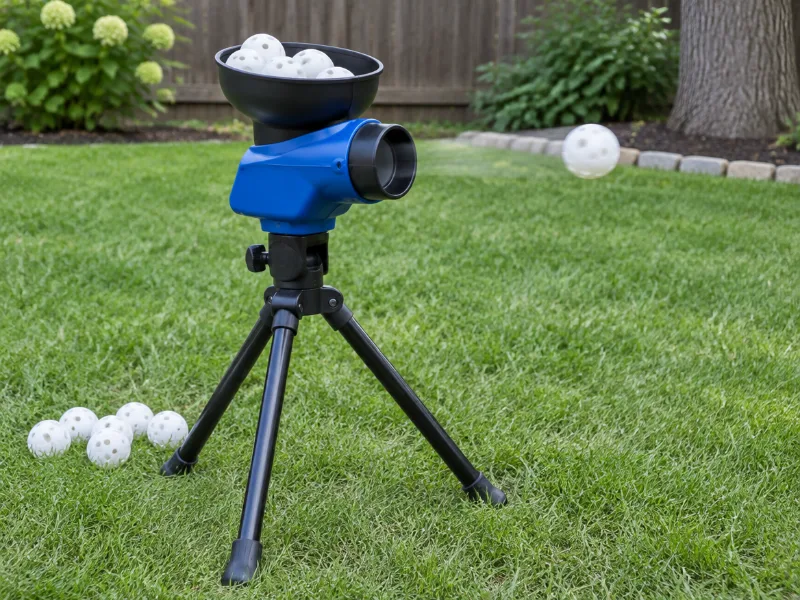
Batting cages come in two flavors. At family fun centers you buy a token or swipe a card and get a round of pitches from a machine, usually 10 to 20 balls. At indoor training facilities, 813 of which are in our directory, you rent the whole cage for a set time and often adjust the machine yourself.
Pick the right cage
Fun centers usually sign each cage with its speed or level: kids, slow, medium, fast, plus softball cages that pitch underhand or lob the ball. Start slower than you think. Hitting a 50 mph pitch cleanly does more for your swing than fouling off fast ones.
Gear
- Helmet: required almost everywhere and usually provided.
- Bat: most places lend them. Bring your own if you train with it.
- Batting gloves: they help with blisters on long sessions.
- Shoes: sneakers are fine. Metal cleats are often not allowed indoors.
If your kid hits often, their own helmet is worth it. Rental helmets come in a few sizes and slide around on smaller heads.
Gear worth owning
-
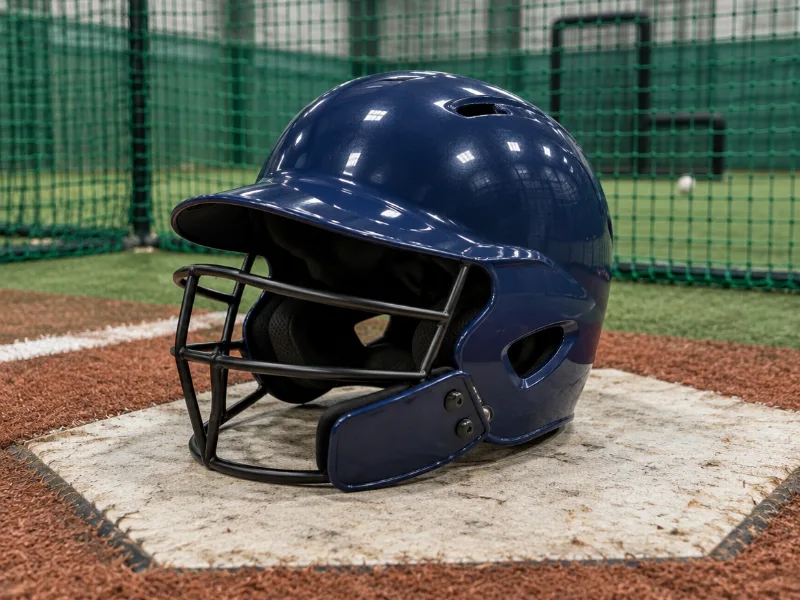 Illustration Safety Rawlings MACH Adjust batting helmet with jaw guard Rental helmets rarely fit well. An adjustable one with a jaw guard fits kids for several seasons. View on Amazon
-
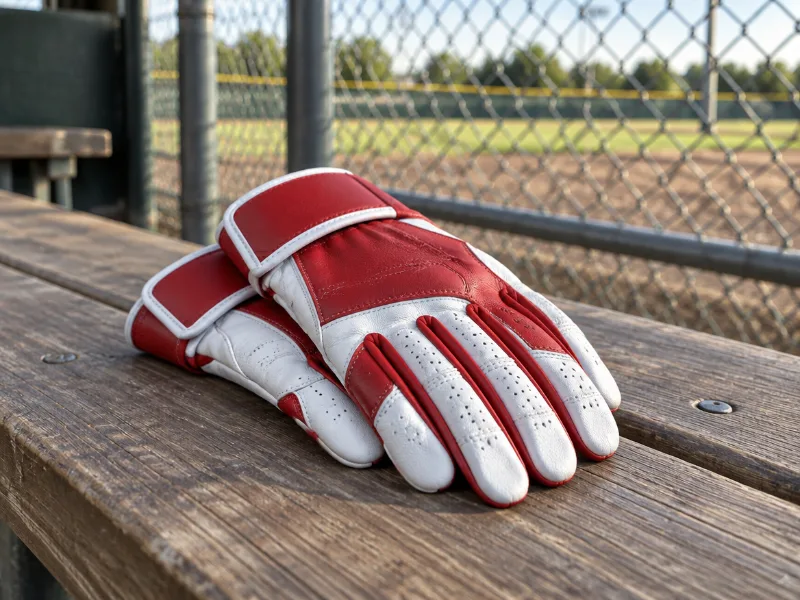 Illustration For kids Franklin Sports MLB youth batting gloves (leather, many sizes) Token rounds add up fast, and so do blisters. Gloves also give a better grip on rental bats. View on Amazon
-
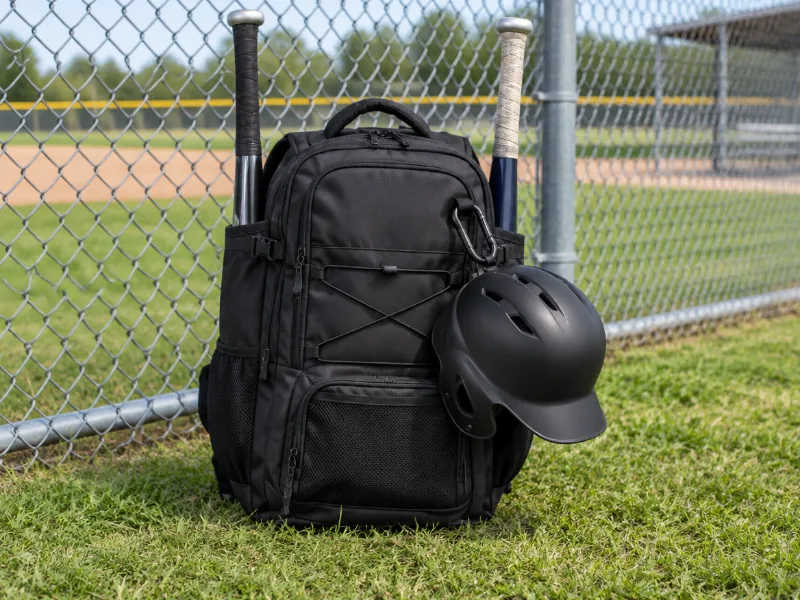 Illustration Easton Game Ready youth backpack equipment bag Two bat sleeves, a helmet hook and room for gloves and a water bottle. Kids carry their own gear to the cage. View on Amazon
We haven't tested these ourselves; we chose them by size and specs. As an Amazon Associate we earn from qualifying purchases, at no extra cost to you. Check the current price on Amazon.
Make it count
- Watch one round before your first swing to get the timing.
- Take a break between rounds; tired swings build bad habits.
- For a group, renting a cage by the hour is usually cheaper per swing than tokens. See what batting cages cost.
- If you hit every week, a cage at home can be worth it. Here's how to build a backyard batting cage.
Practice between visits
A token round gives you 15 or 20 pitches. A swing trainer on a cord gives you as many as you have energy for, right in the backyard. It won't replace live pitching, but it grooves the swing path, so the next cage visit starts with good habits. A bat donut does a similar job before your round: a few slow swings with the weight, then take it off and the bat feels quick.
For the days without a cage
-
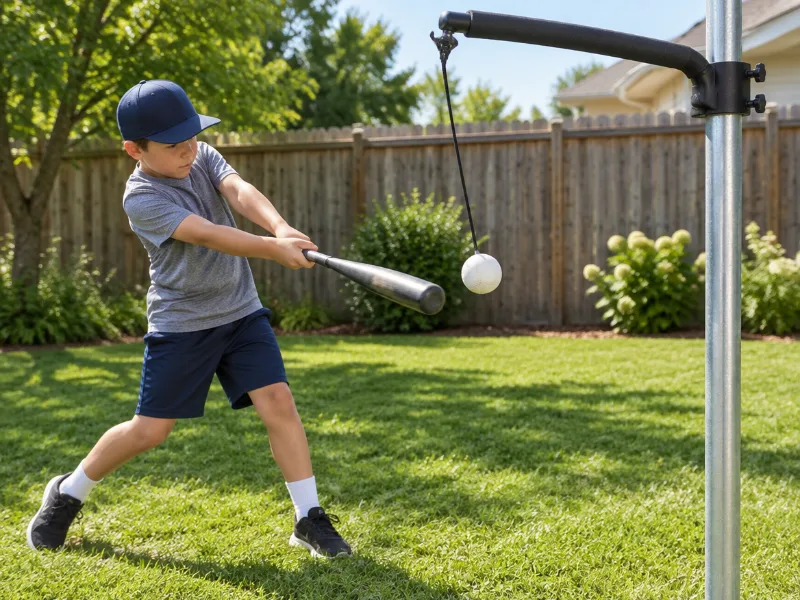 Illustration Viral drill SKLZ Hit-A-Way batting swing trainer for baseball and softball A ball on a cord that swings back after every hit. Clamp it to a pole and get hundreds of swings in the backyard, no cage needed. View on Amazon
-
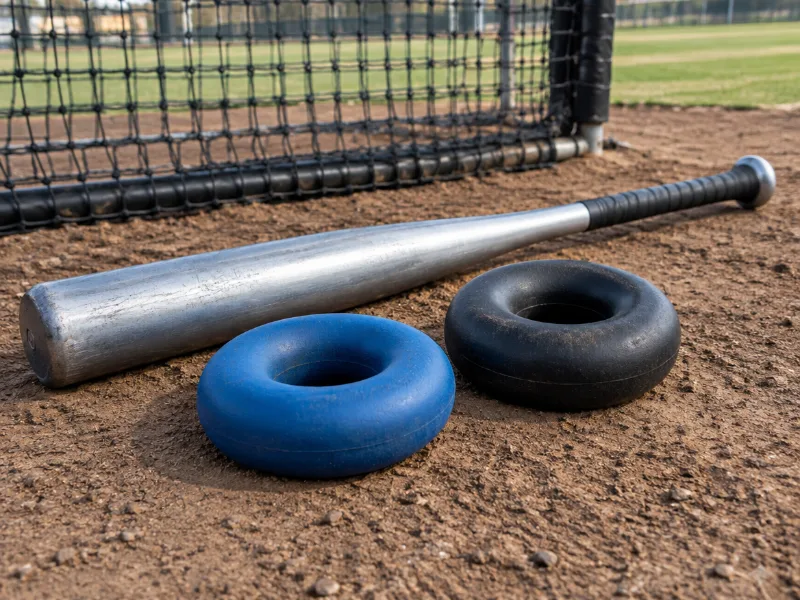 Illustration Bestseller GoSports baseball and softball bat donuts, 2 pack (16 oz and 12 oz) Slip one on for warm-up swings while you wait for your round. Take it off and the bat feels quick. View on Amazon
We haven't tested these ourselves; we chose them by size and specs. As an Amazon Associate we earn from qualifying purchases, at no extra cost to you. Check the current price on Amazon.